
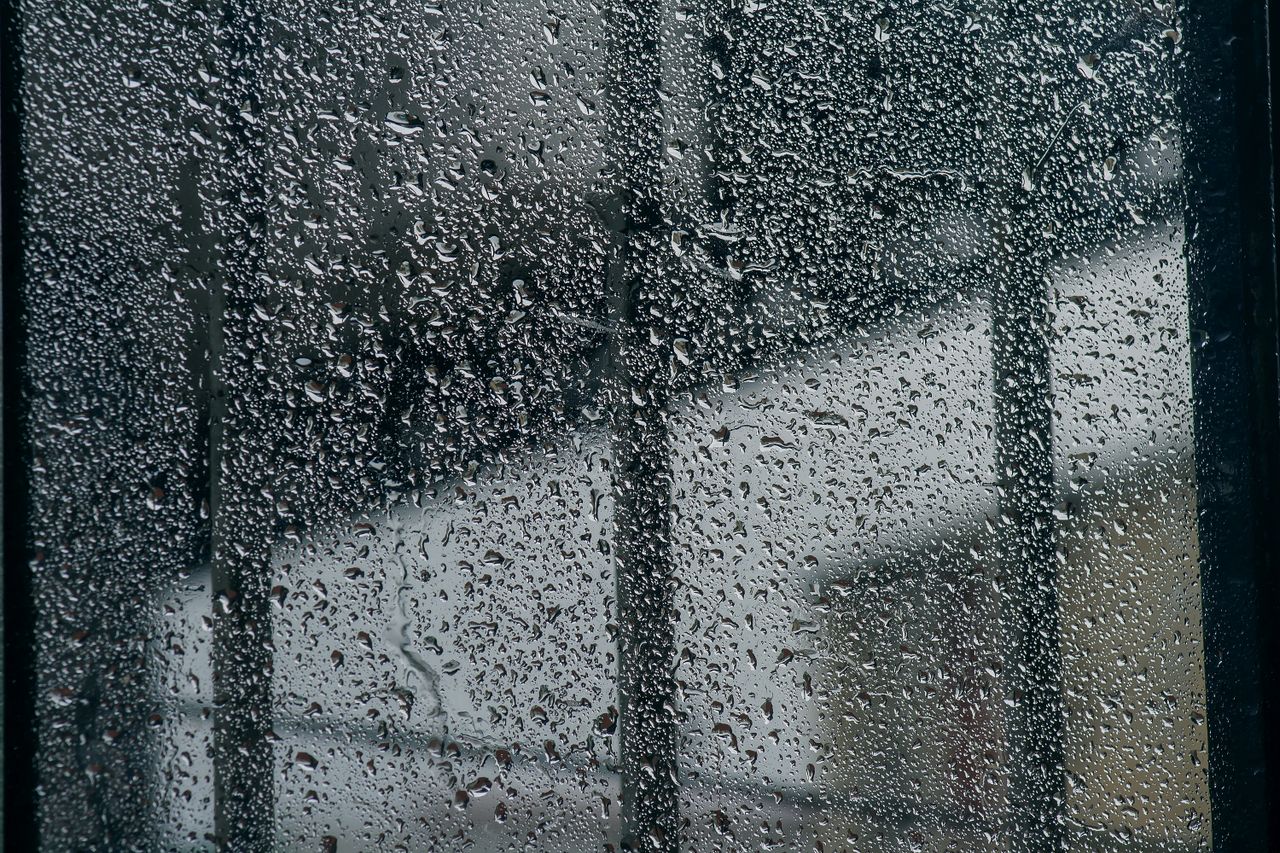
Window leaks are one of the most common and most frustrating types of water ingress in Singapore buildings. Because windows are openings in the building envelope, they are inherently vulnerable points — every window is a designed interruption in the wall’s weather barrier that relies entirely on sealant, flashing and frame design to keep water out.
What makes window leaks particularly difficult to diagnose is this:
👉 water can enter at the top or sides of the window frame and travel downward within the wall cavity before appearing at the sill, below the window, or on an adjacent wall — far from the actual entry point.
In Singapore’s climate of heavy monsoon rainfall and strong winds, window leaks are frequently triggered only under specific wind-driven rain conditions, making them intermittent and difficult to replicate during dry-weather inspections.
This guide is based on real window leak cases, observed by Flux Solutions, across Singapore properties, including rain ingress through window assemblies and facade openings under actual site conditions.
Quick Answer: What Causes Window Leaks?
Most window leaks in Singapore are caused by one or more of these:
- perimeter sealant failure between the window frame and the wall opening
- absent or failed flashing above the window head
- absent or failed drip mould / drip edge above the window
- weep hole blockage in aluminium window frames
- glazing seal failure (between glass and frame)
- frame distortion or warping creating gaps
- cracked or deteriorated window sill allowing water pooling and ingress
- wind-driven rain forcing water through the frame assembly under pressure
- sliding window track drainage failure
- inadequate or failed sub-sill flashing (concealed flashing beneath the window sill)
👉 Window leaks are almost always rain-dependent. If the leak only occurs during rain — particularly heavy, wind-driven rain — the window assembly is the primary suspect.
How Windows Are Installed in Singapore Buildings
Understanding how windows are fitted into the wall helps explain where and why they leak.
The Window Opening
A rectangular opening is formed in the concrete or masonry wall during construction. The window frame is fitted into this opening and secured with mechanical fixings (screws, brackets) or built into the wall during casting.
The Perimeter Seal
The gap between the window frame and the wall opening is sealed with:
- A backer rod (compressible foam strip) inserted into the gap to control sealant depth
- Weather sealant (typically silicone or polyurethane) applied over the backer rod to form the external weather seal
- Internal sealant or plaster to finish the interior side
This perimeter sealant is the primary barrier against rain entering at the frame-to-wall junction. It is present on all four sides — head (top), jambs (sides) and sill (bottom).
Head Flashing and Drip Mould
Above the window (the head), a flashing or drip mould should be installed to deflect rainwater running down the wall face away from the window frame. The flashing directs water outward so it drips clear of the frame rather than running into the head sealant joint.
👉 In many Singapore buildings — particularly older HDB blocks and condominiums — head flashing or drip moulds are absent or inadequate. Water running down the external wall feeds directly into the head joint.
Sub-Sill Flashing
Beneath the window sill, a concealed flashing should direct any water that penetrates the sill joint outward. This is a secondary defence — if the sill sealant fails, the sub-sill flashing prevents water from entering the wall cavity below.
👉 Sub-sill flashing is frequently absent in Singapore residential construction. When the sill sealant fails, water enters the wall directly with no secondary barrier.
Weep Holes (Aluminium Frames)
Aluminium window frames — the most common frame type in Singapore — have internal drainage channels within the frame profile. These channels collect any water that enters the frame assembly (condensation, minor rain penetration past the gaskets) and drain it to the exterior through small weep holes at the base of the frame.
👉 If weep holes are blocked by dirt, paint, sealant overspill or debris, water accumulates within the frame and overflows into the interior.
Glazing Seals
The glass pane is held within the frame by glazing gaskets (rubber or EPDM seals) or glazing sealant (silicone). These seals prevent water from entering between the glass edge and the frame.
Window Leak Failure Mechanisms
Perimeter Sealant Failure
The sealant bead around the window frame deteriorates due to UV exposure, thermal cycling, building movement and age.
👉 Sealant cracks, shrinks, hardens or debonds from the frame or wall surface.
👉 Gaps form between the frame and the wall, allowing rainwater to enter.
👉 Failure typically begins at the head (top) joint — this is the most exposed and most critical joint because water running down the wall concentrates at this point.
👉 Sealant failure at the jambs (sides) allows wind-driven rain to enter laterally.
👉 Sealant failure at the sill allows pooled water on the sill to enter the wall below.
👉 Perimeter sealant failure is the single most common cause of window leaks in Singapore.
Head Flashing / Drip Mould Failure or Absence
The flashing or drip mould above the window is missing, undersized, improperly installed or has deteriorated.
👉 Without a functioning drip edge, rainwater running down the external wall face is directed into the head sealant joint rather than away from it.
👉 This dramatically increases the water load on the head sealant — even intact sealant can be overwhelmed by the volume of water channelled into the joint.
👉 In heavy rain, water sheets down the wall face and wraps around the drip edge (if undersized) by surface tension, still entering the head joint.
👉 Many older Singapore buildings have no head flashing at all — the window frame is set flush with or recessed into the wall with no water deflection.
Weep Hole Blockage
The weep holes at the base of the aluminium frame are blocked by accumulated dirt, paint (from painting works), sealant overspill, insect nests or debris.
👉 Water that enters the frame drainage channels cannot exit and accumulates within the frame profile.
👉 When the internal channel fills, water overflows into the interior — typically at the sill or at the base of the frame.
👉 This leak type often appears as water dripping or pooling at the interior window sill, which is commonly misattributed to sill sealant failure.
👉 Clearing the weep holes may resolve the leak without any sealant repair.
Glazing Seal Failure
The rubber gasket or silicone seal between the glass pane and the frame has deteriorated, shrunk or displaced.
👉 Water enters between the glass edge and the frame during rain.
👉 More common in older windows where the original gaskets have hardened and lost compression.
👉 In casement and awning windows, glazing seal failure allows water entry when the window is closed — the seal no longer compresses sufficiently to exclude water.
👉 In louvre windows, each glass blade relies on individual edge seals — failure of any single seal allows direct water entry.
Frame Distortion or Warping
The window frame has distorted due to thermal expansion, building settlement, mechanical impact or corrosion of steel sub-frames.
👉 Distortion creates gaps between the frame and the wall opening that the perimeter sealant cannot bridge.
👉 Casement and awning windows may not close flush — the sash no longer seats squarely against the frame gasket, leaving gaps.
👉 Sliding windows may develop gaps between the sliding panel and the frame due to roller wear or track distortion.
👉 Frame distortion is more common in large window openings and in buildings with significant structural movement.
Sliding Window Track Drainage Failure
Sliding window tracks collect rainwater that is driven into the track channel by wind.
👉 The track is designed to drain this water to the exterior through drainage slots or weep holes at the outer edge.
👉 If the drainage slots are blocked, the track fills with water and overflows into the interior.
👉 Accumulated dirt, leaves and debris in the track channel are the most common cause.
👉 This is an extremely common and easily resolved cause of window leakage in Singapore — often mistaken for a sealant problem.
Sub-Sill Flashing Failure or Absence
The concealed flashing beneath the window sill has failed, been omitted during construction, or was improperly installed.
👉 When sill sealant fails, water enters the wall cavity below the window.
👉 Without a sub-sill flashing to redirect this water outward, it migrates downward within the wall, appearing as damp on the interior wall below the window.
👉 This leak can appear well below the window — the water travels within the wall before surfacing, leading to misdiagnosis as an external wall crack issue.
Cracked or Deteriorated Window Sill
The external window sill (concrete, stone or tile) has cracked, lost its fall (slope away from the window) or has deteriorated mortar joints.
👉 Water pools on a flat or back-sloping sill instead of draining away.
👉 Pooled water penetrates through cracks in the sill and enters the wall below.
👉 Sills that have lost their outward fall due to settlement or poor original construction are particularly problematic — they direct water toward the frame rather than away from it.
Wind-Driven Rain Penetration Through the Frame Assembly
During heavy rain with strong wind, water is forced through the window assembly under pressure — even through gaps that would remain dry in calm conditions.
👉 Water is driven through frame gaskets, past weatherstripping, through drainage channels and against sealant joints simultaneously.
👉 The window assembly may be perfectly adequate for normal rain but cannot resist the pressure of wind-driven rain.
👉 This is particularly relevant in Singapore during monsoon storms and for units on upper floors of high-rise buildings where wind pressure is greatest.
👉 Louvre windows and older sliding windows are most vulnerable to wind-driven rain penetration due to their inherently less airtight design.
Diagnostic Behaviour: How to Identify a Window Leak
Leak only during rain — water appears at or below the window
Likely related to:
- perimeter sealant failure
- head flashing absence or failure
- glazing seal failure
- sill cracking
👉 This is the defining characteristic of a window leak. If the leak correlates strictly with rainfall and stops in dry weather, the window assembly is the source.
Leak only during heavy, wind-driven rain
Likely related to:
- wind-driven rain forcing water through the frame assembly under pressure
- weep hole blockage causing internal frame overflow under high water load
- sliding window track overwhelmed by wind-driven water
👉 If the leak only occurs during intense storms with wind from a specific direction, and not during light or moderate rain, wind pressure is the driving factor.
Leak depends on wind direction
Strong indicator of:
- the entry point is on the windward face of the building
- water is being driven into the frame assembly, head joint or sill from the specific direction of the wind
👉 If the leak only occurs with wind-driven rain from one direction, inspect the window on that facade.
Water pooling at interior window sill
Likely related to:
- weep hole blockage (water accumulating within the frame and overflowing)
- sliding window track drainage blocked
- sill sealant failure allowing water to enter at the base of the frame
👉 Check weep holes and track drainage first — these are the most common and most easily resolved causes.
Damp on interior wall below the window (not at the sill itself)
Likely related to:
- sub-sill flashing failure or absence — water entering at the sill and travelling down within the wall cavity
- sill cracking allowing water to migrate into the wall below
👉 The water entry point is at the window sill, but the symptom appears lower on the wall. Do not assume this is an external wall crack issue without checking the window sill condition first.
Water appears above the window on the interior
Likely related to:
- external wall crack or render failure above the window (not a window leak — refer to External Wall Leaks page)
- head flashing directing water into the wall above the frame rather than away from it (improper flashing installation)
👉 If water appears above the window, the source is likely the wall above, not the window itself.
Window Types and Their Vulnerabilities
Different window types common in Singapore have different leak vulnerabilities.
Sliding Windows
👉 Most common window type in Singapore HDB and condominiums.
👉 Primary vulnerabilities: track drainage blockage, roller wear causing poor panel closure, weatherstrip deterioration between panels, weep hole blockage.
👉 The joint between the fixed and sliding panels is a known weak point for wind-driven rain.
Casement Windows (Side-Hung)
👉 Better weather resistance than sliding windows when closed (the sash compresses against the frame gasket).
👉 Primary vulnerabilities: hinge wear causing the sash to drop and not seat properly, gasket deterioration losing compression, perimeter sealant failure.
Awning / Top-Hung Windows
👉 Can remain partially open during light rain (the outward-opening sash deflects rain).
👉 Primary vulnerabilities: stay arm wear allowing the sash to close unevenly, gasket failure, water running down the open sash and dripping inside when the window is partially open during wind-driven rain.
Louvre Windows
👉 Least weather-resistant window type — glass blades overlap but do not seal airtight.
👉 Primary vulnerabilities: inherently poor resistance to wind-driven rain, blade edge seal deterioration, operating mechanism wear causing blades to close unevenly.
👉 Louvre windows in exposed positions (upper floors, windward facades) are among the most problematic for rain ingress in Singapore.
Fixed Windows / Picture Windows
👉 No opening mechanism — sealed unit with glazing gaskets or sealant.
👉 Primary vulnerabilities: glazing seal failure, perimeter sealant failure, frame deflection in large openings.
Verification Methods
Always confirm the entry point before commencing repair.
Systematic Water Spray Test
Direct a controlled water spray at specific zones of the window assembly — one zone at a time — while an observer monitors the interior. Test in sequence: sill first, then jambs, then head. This isolates the exact entry point.
👉 Start from the bottom and work up — if you spray the head first, water runs down and masks the actual entry zone.
👉 Increase water pressure gradually to simulate wind-driven rain conditions if the leak only occurs during heavy storms.
Weep Hole Check
Inspect all weep holes at the base of the frame for blockage. Pour a small amount of water into the track channel and observe whether it drains freely to the exterior through the weep holes. If water accumulates in the track without draining, the weep holes are blocked.
Track Drainage Test
For sliding windows, pour water into the outer track channel and observe drainage at the track ends and drainage slots. Blocked drainage is immediately apparent.
Sealant Inspection
Visual inspection of all perimeter sealant — head, jambs and sill — for cracking, shrinkage, hardening, debonding or missing sections. Use a blunt probe to check sealant adhesion — if the sealant pulls away from the frame or wall with light pressure, it has debonded.
Flashing and Drip Mould Check
Inspect the head of the window from outside for the presence and condition of flashing or a drip mould. Check whether the drip edge projects sufficiently to deflect water clear of the frame. Check for gaps between the flashing and the wall surface.
Sill Slope Check
Place a level or pour water on the external sill to confirm it slopes outward (away from the window). If the sill is flat or slopes inward (toward the frame), water will pool against the frame rather than draining away.
Gasket and Weatherstrip Inspection
Check the compression gaskets on casement and awning windows — close the window and look for daylight gaps between the sash and the frame. Check weatherstrips on sliding windows for deformation, hardening or missing sections.
Why Window Leaks Are Often Misdiagnosed
Common diagnostic mistakes:
- Assuming the leak is an external wall crack issue — water appearing on the wall below a window is frequently caused by sub-sill flashing failure, not an external wall defect. The window sill area must be checked before attributing the leak to the wall.
- Re-sealing only the sill joint — if the head sealant or flashing has failed, water enters at the top and travels down within the frame or wall cavity to appear at the sill. Re-sealing the sill does not address the actual entry point above.
- Ignoring weep hole blockage — weep holes are the most common and most easily resolved cause of window sill water ingress, but they are rarely checked. Clearing the weep holes may resolve the leak entirely without any sealant work.
- Ignoring sliding window track drainage — blocked track drainage is another simple cause that mimics sealant failure. Cleaning the track and drainage slots may resolve the leak.
- Testing in calm conditions — window leaks that are driven by wind pressure will not manifest during a calm-weather inspection or a gentle water spray test. The test must simulate the rain intensity and direction that triggers the leak.
- Replacing the entire window when the sealant is the issue — perimeter sealant failure does not require window replacement. The sealant can be raked out and replaced. Conversely, if the frame is distorted, new sealant will not solve the problem.
👉 Window leak diagnosis must consider the full assembly: sealant, flashing, weep holes, track drainage, gaskets, frame condition and sill slope. Focusing on only one component leads to incomplete repair.
These issues are frequently encountered in practice, particularly in cases where repeated sealant repairs have been carried out without identifying the actual entry point.
Summary
Window leaks in Singapore are driven by the interaction between rainwater, wind pressure and the condition of the window assembly.
👉 Perimeter sealant failure is the most common cause — but it is not the only cause
👉 Head flashing and drip moulds are critical for deflecting water away from the frame — their absence dramatically increases leak risk
👉 Weep hole and track drainage blockage are the most easily resolved causes and should always be checked first
👉 Wind-driven rain forces water through gaps that remain dry in normal conditions — leaks that only occur during heavy storms with specific wind direction indicate a pressure-driven mechanism
👉 Water can enter at the head and travel down within the wall to appear at the sill or below — always test from bottom to top to isolate the actual entry point
👉 Different window types have different vulnerabilities — sliding and louvre windows are inherently more susceptible to wind-driven rain than casement windows
👉 Always verify the entry point through systematic water spray testing before commencing repair
Understanding the full window assembly — frame, sealant, flashing, drainage and gaskets — is key to identifying the true source of leakage.
Not Sure If Your Leak Is Coming From the Window?
Window leaks are often misdiagnosed because water can enter at one point and appear elsewhere. Without proper testing, it is common to repair the wrong area while the actual entry point remains.
If you are dealing with rain-dependent leaks around windows, damp walls or recurring seepage, a proper diagnosis should be carried out before any repair is attempted.
You may request a professional leak assessment from Flux Solutions to accurately identify the entry point and determine the correct repair approach.