
Ceiling Leak Repair Singapore – Water Leaking from Upstairs? Identify the Real Cause Before Fixing
Most ceiling leaks in Singapore are misdiagnosed because the visible damage is not the actual source.
— leading to unnecessary repairs, repeated leakage and disputes with the unit above
Water leaking from your ceiling is rarely caused by the ceiling itself.
In most cases, the source of the leak originates from the unit above, internal pipe systems, or even external wall and rainwater ingress.
By the time you see water stains or dripping, water has already travelled through the concrete slab before appearing at the ceiling.
This is why many ceiling leak repairs fail.
The wrong problem gets fixed.
At Flux Solutions, we focus on identifying the actual source of the leak first, before recommending the correct repair method.
Why Is Water Leaking from My Ceiling?
Most ceiling leaks in Singapore are caused by one of these:
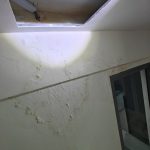
Bathroom waterproofing failure in the unit above
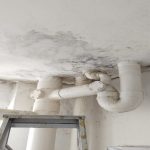
Concealed pipe leaks within the slab or walls
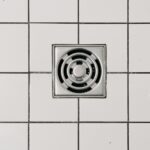
Floor trap or drainage connection failure
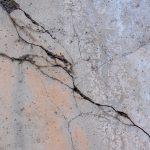
Structural cracks in the reinforced concrete slab
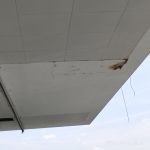
External wall or rainwater ingress
The ceiling is rarely the source of the leak — it is where the water eventually appears.
Not sure which applies to your situation? Use our Find Your Leak Guide
What Actually Causes Ceiling Leaks?
A ceiling leak is not the problem — it is a symptom.
Water enters from another location and travels through the structure before appearing at the ceiling.
Why Many Ceiling Leak Repairs Fail
Most failed repairs come down to one issue:
The wrong source was identified.
Common mistakes include:
This results in repeated leakage, unnecessary disputes and wasted cost.
Signs Your Ceiling May Be Leaking
Symptoms
Water stains on ceiling
Brown patches, damp marks or discolouration on the ceiling indicate water has already travelled through the slab.
Peeling paint or bubbling plaster
Paint deterioration or blistering is caused by moisture trapped beneath the surface.
Water dripping during use or rain
If dripping occurs only during upstairs usage or rainfall, it indicates active water entry from a specific source.
Musty smell or persistent dampness
A constant damp odour suggests moisture accumulation within the ceiling slab or structure.
Mould growth or dark patches
Mould forms when moisture is present over time and indicates prolonged leakage.
Stain marks spreading over time
Expanding water marks show that the leak is active and worsening.
If you notice any of these signs, water has already entered the structure above your ceiling.
However, these symptoms alone do not confirm the source of the leak.
Proper diagnosis is required before any repair is carried out.
How Ceiling Leaks Are Diagnosed
We do not start with repair.
We start with diagnosis.
- 1. Leak Pattern Assessment
- 2. Source Tracing
- 3. Elimination of Competing Causes
- 4. Targeted Repair Recommendation
We determine when the leak occurs — during usage, continuously, or only during rain.
We analyse how water travels from the source to the ceiling.
We rule out waterproofing failure, pipe leaks and structural issues systematically.
Only after confirming the cause do we recommend the correct repair method.
Repair Methods Based on Actual Cause
Different causes require different solutions.
Common Methods
The correct method depends entirely on accurate diagnosis.
Real Bathroom Leak Cases We’ve Solved
What This Repair Cannot Address
If concealed pipe failure is the primary cause, plumbing rectification must be completed before waterproofing repair
Structural movement or active slab cracking may require specialist structural assessment beyond standard repair
Cases involving multiple failure sources may require staged or combined repair approaches
Frequently Asked Questions
We present all viable options after diagnosis so you can make an informed decision based on your budget and property holding period.